 858-748-2237
 order@proautocon.com
 Online shop

ELECTRIC ACTUATION without the Guesswork
Hydraulic and pneumatic systems still have their place, but many OEM machine builders and manufacturers are reaching the point where leaks, noise, oversized power units, manual changeovers, and limited control create more compromise than value. Provoast Automation and Tolomatic can help you evaluate whether electric actuation can improve machine performance, simplify integration, and reduce long-term operating cost for your application.
Application Engineering Support
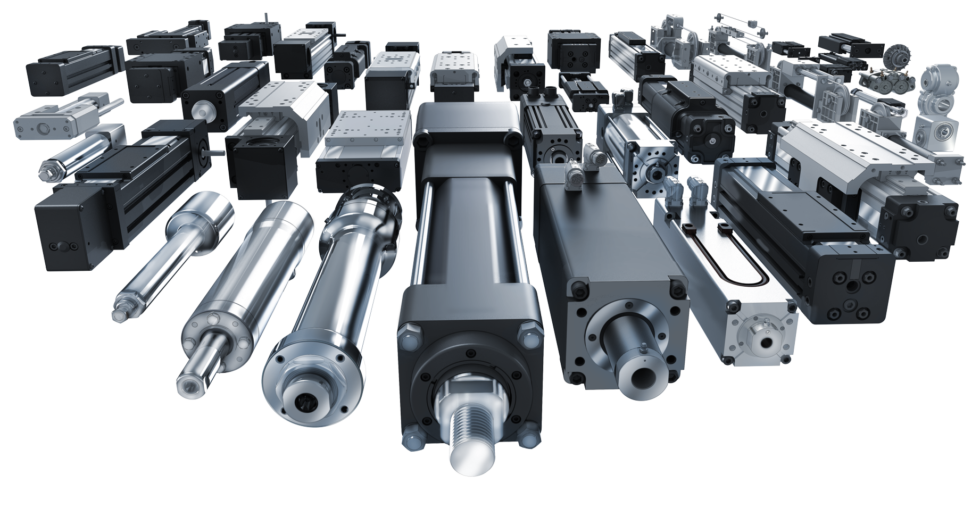
Whether you are actively evaluating a hydraulic-to-electric conversion or simply curious about what electric actuation could make possible, this session is a practical place to start.
Meet with automation specialists, located near your application, to discuss your machine, process, or motion challenge; let’s explore how electric actuators may improve control, reduce footprint, simplify maintenance, and support more efficient operation.
Bring as much or as little application detail as you have. We can discuss a current hydraulic system, an early-stage machine concept, or a general design challenge—and help you understand the trade-offs, potential benefits, and practical next steps for electrification. Schedule time directly with our application engineers today!
Is legacy actuation holding back performance?
If your production still depends on hydraulics or pneumatics, you may be managing issues that directly affect system performance and serviceability: oil or air leaks, noisy power units, larger footprints, manual changeovers, and vulnerability to temperature fluctuation. For those under pressure to build cleaner, quieter, more controllable machines, those limitations can become design constraints.

Benefits of evaluating electric acutation
Modern electromechanical actuators give machine builders and end users precise control over speed, position, and thrust. That level of control can improve repeatability, simplify changeovers, and support data collection and reporting requirements that are more difficult to address with conventional pneumatic or hydraulic systems

Electric actuator systems can allow machine designs to be cleaner, quieter, and more efficient processes than comparable pneumatic or hydraulic systems. By eliminating dependence on compressed air or hydraulic power units for many applications, electric motion can reduce energy waste associated with air leaks, lower maintenance demands, and support a more compact machine layout.

Electric actuators can also help reduce energy use in applications that run frequently or at high duty cycles. Unlike pneumatic systems, which depend on compressed air and can lose energy through system inefficiencies and leaks, electric systems apply power directly to the motion required.
Actual energy savings depend on your application’s load, cycle time, annual operating hours, compressor performance, and local electricity rates. An application review can help quantify the potential operating-cost impact for your specific machine.

Featured Product
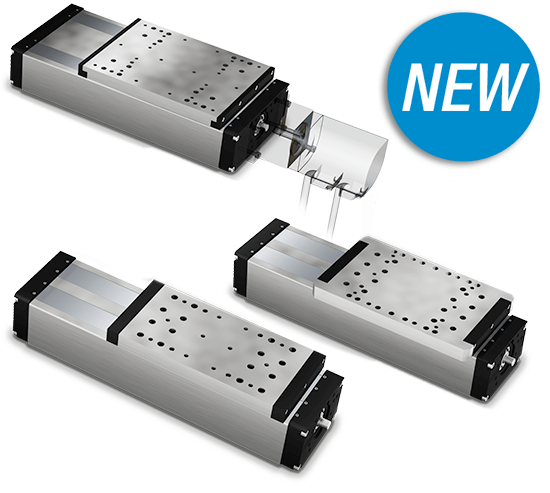
TRS Twin Profile Rail Precision XY Stages
The TRS was designed for precision, accuracy, and high rigidity. • Dual rail construction • Loads up to 4,320 lbm (1,960 Kg)
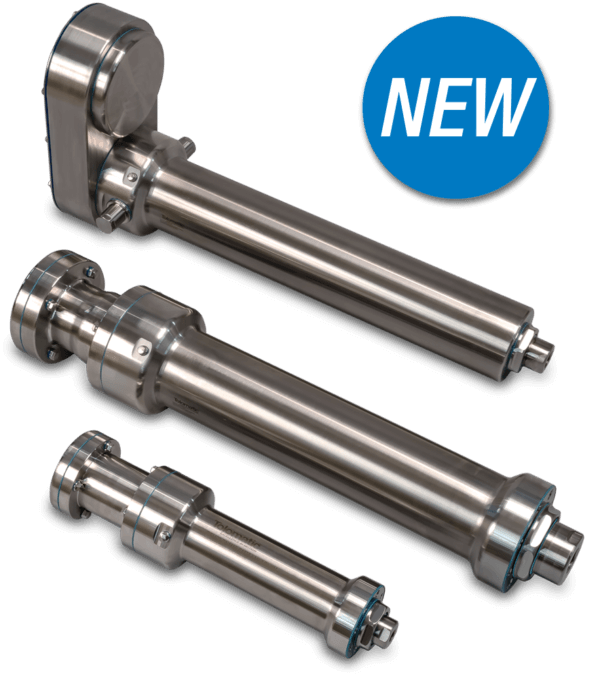
RSH Hygienic Electric Actuators
The Tolomatic RSH Rod Actuator is the newest addition to the Electric Rod product line providing the ideal solution for food and beverage applications. • 316 stainless steel construction • IP69K, clean in place compatible • Forces up to 7,868 lbf (35 kN)
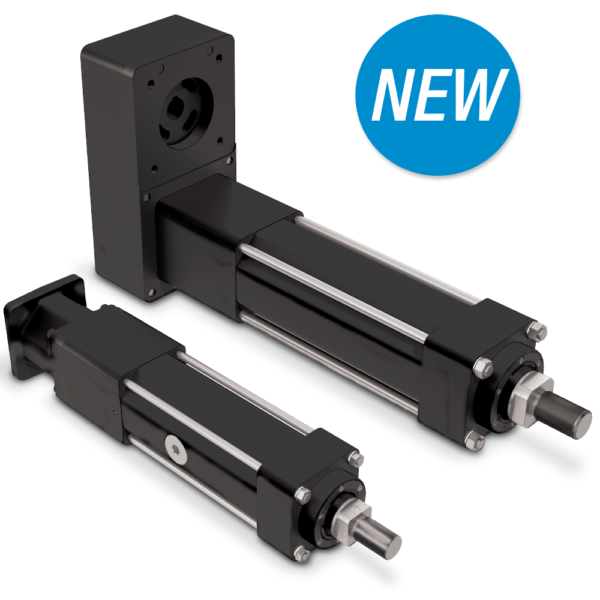
RSX High Force Electric Linear Actuators
The Tolomatic RSX Rod Actuators are more efficient and precise compared to hydraulic cylinders. Replace hydraulics to avoid messy leaks and increase performance. • Up to IP67 • Forces up to 66,000 lbf (294 kN) • Tolomatic manufactured roller screw for long life